Introduction
As patient safety becomes increasingly important, healthcare providers are adopting advanced medical consumables such as needle-free connectors to improve treatment outcomes. Manufactured through advanced medical device manufacturing processes, these sterile medical devices are designed to reduce infection risks, improve clinical efficiency, and ensure safe vascular access.
Unlike traditional methods that require needles to access an IV line, needle-free connectors provide quick, secure, and needle-free access. They help reduce needlestick injuries, strengthen infection control, and simplify daily IV procedures for healthcare professionals. When produced by a trusted medical device manufacturer following ISO 13485 standards and strict quality assurance processes, these devices deliver reliable performance and enhanced patient safety.
In this blog, we'll explore what needle-free connectors are, their benefits, and why they are becoming the preferred choice for modern infusion therapy.
What Is a Needle-Free Connector?
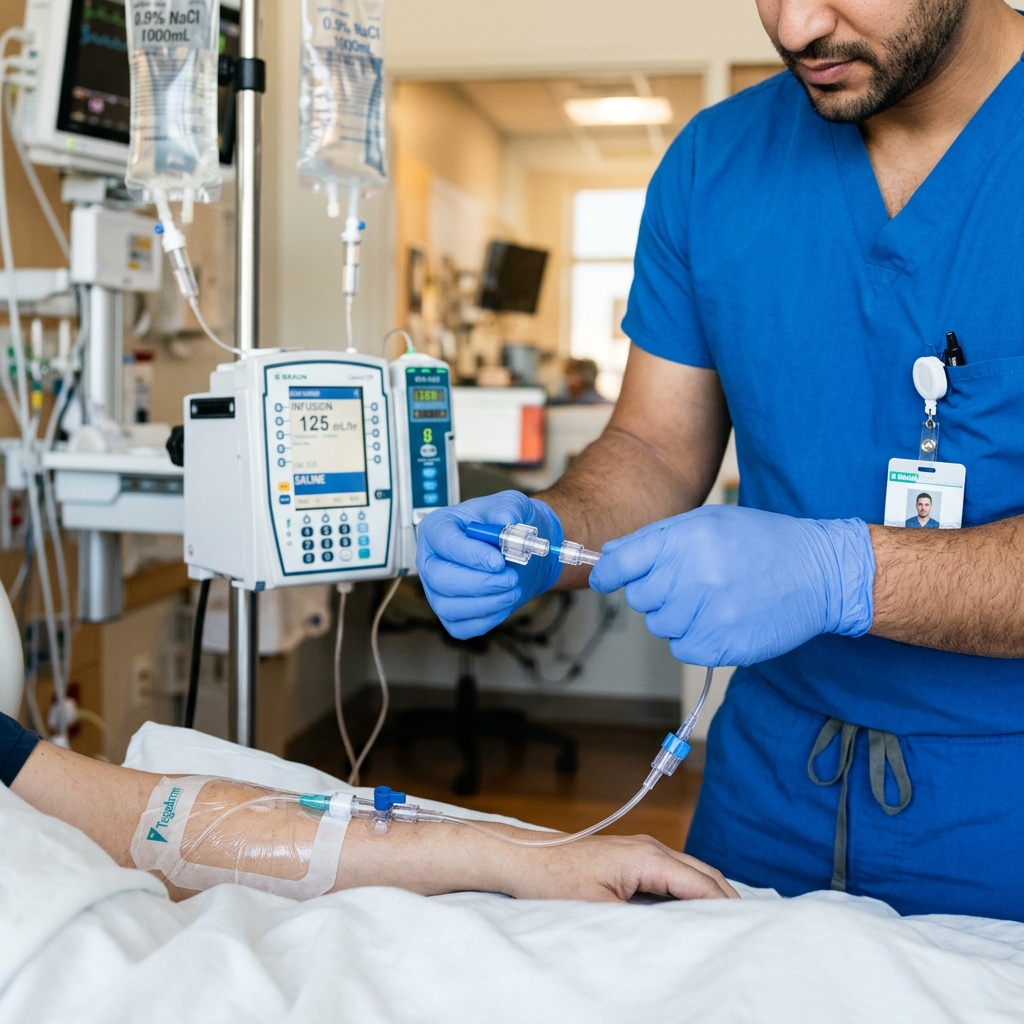
A needle-free connector is a small, sterile medical device attached to an IV line that allows doctors and nurses to administer medications or fluids or collect blood samples without using a needle. As an essential part of modern medical consumables, it improves patient safety while making routine medical procedures faster, safer, and more efficient.
Why Are Needle-Free Connectors Becoming So Popular?
Healthcare is constantly evolving, and patient safety remains the highest priority. Advanced medical device manufacturing and strict quality assurance have made needle-free connectors one of the most reliable solutions for modern infusion therapy.
Accidental needlestick injuries are common during routine medical procedures and may expose healthcare workers to bloodborne infections. Needle-free connectors eliminate repeated needle access, creating a safer environment for healthcare professionals.
Maintaining a closed IV system is essential for preventing infections. Needle-free connectors reduce the risk of contamination and bloodstream infections, supporting safer patient care. Products manufactured under ISO 13485 quality systems provide greater confidence in infection prevention.
Patients receiving long-term infusion therapy often require frequent IV access. Needle-free connectors minimize unnecessary needle use, reduce contamination risks, and improve overall treatment comfort and safety.
Doctors and nurses work in fast-paced healthcare environments. Needle-free connectors provide quick and convenient IV access, helping healthcare professionals administer medications more efficiently while saving valuable time.
Many hospitals are replacing traditional needle access systems with safer alternatives. Medical devices with ISO 13485, CE Marking, and US FDA regulatory compliance/registration manufactured under strict quality assurance systems support infection prevention, workplace safety, and high standards of patient care.
Where Are Needle-Free Connectors Used?
These medical consumables are widely used in:
- Hospitals
- Intensive Care Units (ICUs)
- Emergency Departments
- Operating Rooms
- Oncology Centers
- Dialysis Units
- Outpatient Clinics
- Home Healthcare
Their versatility makes them suitable for a wide range of medical applications.
Commitment to Regulatory Compliance
Compliance with international regulatory standards is essential for ensuring patient safety and product reliability. At Mediplus, our manufacturing facilities and sterile medical devices meet rigorous global requirements.
By maintaining ISO 13485, CE Marking, and US FDA regulatory compliance/registration, we demonstrate our unwavering commitment to quality. These credentials provide healthcare professionals with the confidence that our infusion therapy products are manufactured, tested, and distributed according to the highest industry standards.
Choosing a Quality Needle-Free Connector
Selecting products from a trusted medical device manufacturer is essential for ensuring safety, reliability, and long-term performance. Manufacturers that follow ISO 13485, implement strong quality assurance systems, and use advanced medical device manufacturing technologies consistently produce high-quality sterile medical devices that healthcare professionals can rely on.
Companies with expertise as an IV cannula manufacturer and blood collection needle manufacturer understand the importance of precision engineering, infection control, and regulatory compliance. Their experience in developing advanced medical consumables helps deliver safe and effective solutions for modern healthcare.
Conclusion
Needle-free connectors are transforming infusion therapy by improving patient safety, reducing needlestick injuries, strengthening infection control, and supporting more efficient clinical procedures. As healthcare continues to advance, high-quality sterile medical devices manufactured by a trusted medical device manufacturer play an increasingly important role in delivering better patient outcomes.
By following ISO 13485, maintaining rigorous quality assurance, and producing medical devices with ISO 13485, CE Marking, and US FDA regulatory compliance/registration through advanced medical device manufacturing, manufacturers help healthcare providers deliver safer and more reliable care. Choosing quality medical consumables from an experienced IV cannula manufacturer and blood collection needle manufacturer ensures consistent performance and greater confidence in every medical procedure.
Frequently Asked Questions (FAQs)
1. How do needle-free connectors improve healthcare safety?
They allow for IV access without the use of needles, effectively eliminating the risk of accidental needlestick injuries for healthcare workers and reducing the chances of bloodborne infections.
2. Can needle-free connectors help prevent infections?
Yes, they help maintain a closed IV system, which significantly reduces the risk of contamination and central line-associated bloodstream infections (CLABSIs).
3. Are needle-free connectors compatible with all IV lines?
High-quality needle-free connectors are designed with standardized Luer-lock or slip connections, making them compatible with most standard IV catheters and extension sets used globally.
4. When should a needle-free connector be replaced?
According to clinical guidelines, needle-free connectors should typically be replaced every 72 to 96 hours or depending on hospital protocols, the type of infusion, and if they appear damaged or contaminated.