1. Introduction
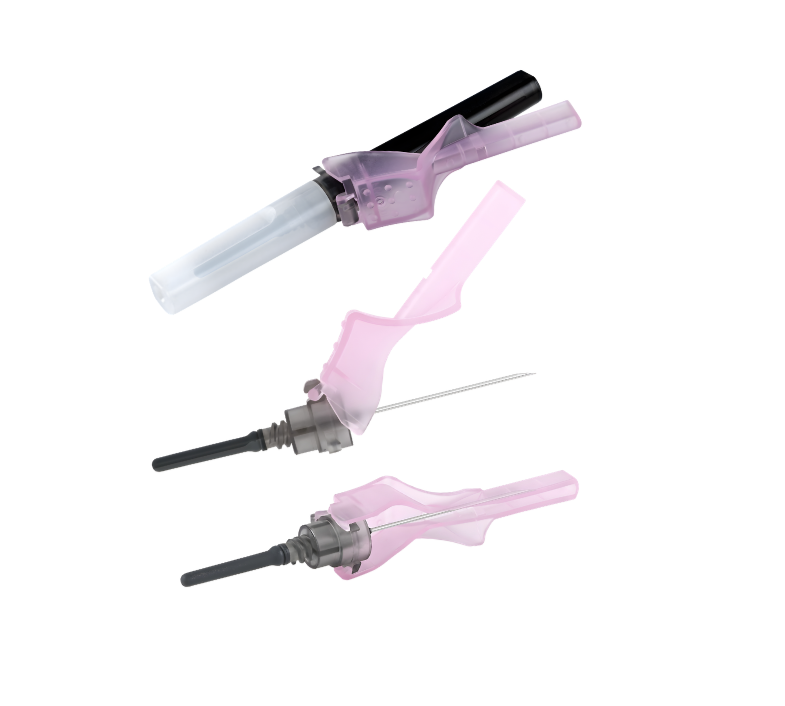
However, dependable laboratory results rely fundamentally on precision collection devices, appropriate phlebotomy handling, and standardized pre-analytical protocols. Hospitals, diagnostic centers, and clinical laboratories must prioritize patient comfort and occupational safety when purchasing phlebotomy products. When evaluating Safety Blood Collection Needle suppliers in USA and worldwide, procurement teams must inspect needle geometry, safety shielding, compatibility with evacuated tube systems, and regulatory documentation.
2. Understanding Blood Collection and Diagnostic Testing
Blood testing is the cornerstone of clinical medicine—powering complete blood counts (CBC), metabolic panels, lipid profiles, immunological assays, and molecular diagnostics.
Utilizing appropriate diagnostic blood collection gadgets ensures that pre-analytical specimen degradation is completely avoided. Different biochemical investigations necessitate specific additive tubes (EDTA, sodium citrate, heparin, or clot activators). Incompatible needles or delayed processing can cause cellular lysis, invalidating test findings and requiring painful recollection.
3. Important Factors Behind Reliable Blood Collection
Precision sample integrity and phlebotomist safety depend on five core criteria:
Multi-angle bevel grinding and medical-grade silicone lubrication facilitate smooth vein entry without cell rupture.
Single-use, radiation or ETO-sterilized devices eliminate cross-contamination and guarantee sterile sample transfer.
One-handed safety shield activation immediately locks over contaminated needles, preventing accidental needlestick injuries.
Perfect fit with standard evacuated tube holders and vacuum blood collection tubes without vacuum loss.
When reviewing blood collection needle specifications, healthcare facilities should examine technical dossiers, rubber sleeve resealing integrity, and international ISO 7864 and ISO 23908 compliance.
4. The Science Behind Sample Integrity
A biological sample must remain pristine from puncture to laboratory centrifuge. Hemolysis—the rupture of erythrocytes causing intracellular hemoglobin release into plasma—is the primary cause of sample rejection in automated clinical chemistry analyzers.
Utilizing a precision vacuum blood collection system minimizes shear stress on red blood cells through controlled fluid dynamics. Phlebotomists must follow correct order-of-draw protocols, gently invert additive tubes, and adhere to temperature-controlled logistics to safeguard diagnostic accuracy.
5. How to Choose the Right Phlebotomy Supplier
Selecting a supplier involves assessing manufacturing rigor and supply chain reliability. Use this vendor qualification checklist:
- Inspect Needle Bevel Consistency: Verify automated camera inspection systems that detect hooked bevels or burrs.
- Validate Multi-Sample Valve Integrity: Confirm synthetic rubber sleeve elasticity that immediately re-seals between multiple tube exchanges.
- Review Certification Standards: Verify ISO 13485, CE certification, and US FDA 510(k) clearances.
- Evaluate Sharps Safety Compliance: Confirm compliance with OSHA bloodborne pathogen standards and international needle safety mandates.
- Confirm Packaging Integrity: Verify tamper-evident blister or hermetic seal durability throughout global transport.
6. Typical Problems and Practical Solutions
Overcoming Pre-Analytical Pitfalls:
Challenge: Blood leakage during multiple vacuum tube changes creating biohazard risks.
Solution: Utilize high-resilience non-latex rubber sleeves that snap shut instantly when tubes are disengaged.
Challenge: Micro-clot formation in anticoagulant specimens causing analyzer downtime.
Solution: Standardize post-collection inversion protocols and ensure accurate blood-to-anticoagulant draw volume ratios.
7. Frequently Asked Questions (FAQs)
Q1. Why is proper blood sample collection so vital in diagnostic testing?
Proper collection prevents hemolysis, micro-clots, and sample contamination, ensuring diagnostic analyzers yield clinically precise, reproducible results for optimal patient therapy.
Q2. How do modern vacuum blood collection systems reduce specimen contamination?
Closed evacuated systems draw blood directly from vein to sterile vacuum tube without atmospheric exposure, virtually eliminating exterior airborne and tactile contamination.
Q3. What should laboratories verify before purchasing blood collection needles?
Verify needle gauge precision, bevel sharpness, multi-sample sleeve elasticity, holder threading compatibility, sterility validation, and regulatory clearances.
Q4. Why are engineered safety mechanisms critical for phlebotomists?
Safety blood needles shield exposed contaminated sharps immediately after vein withdrawal, drastically reducing accidental needlestick injuries and transmission of HIV and Hepatitis.
8. Conclusion and Call to Action
Reliable diagnostic outcomes depend on responsible sample collection. Engineering precision, cleanroom manufacturing, and ergonomic safety features empower laboratories to operate at maximum diagnostic efficiency.
Mediplus India Ltd. manufactures state-of-the-art safety blood collection needles and vacuum phlebotomy systems conforming to the highest global quality standards.